
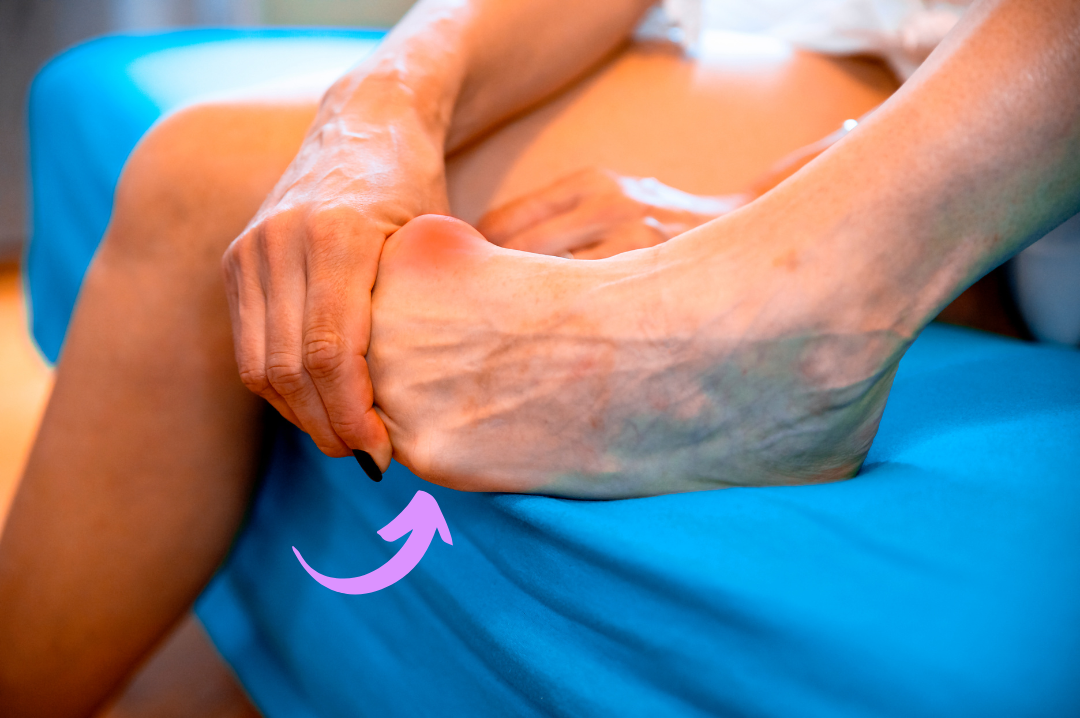
Bunions are more than a cosmetic concern - they can cause pain at the big toe, stiffness, difficulty finding comfortable shoes, and changes in the way you walk. Medically known as hallux valgus, a bunion develops when the big toe (first metatarsal bone) gradually shifts toward the second toe, causing the big toe joint to become more prominent and irritated on the inside of the foot. Over time, this can lead to bunion pain, inflammation, joint stress, and discomfort during everyday activities.
At our Brisbane clinics, we take a comprehensive approach to bunion care, helping you understand why your bunion has formed, what’s driving your symptoms, and the most effective treatment options available to keep you moving comfortably.
Common causes of bunions
Bunions can develop for several reasons, and there's rarely just one factor at play. Genetics, foot shape, joint mobility, footwear, and repetitive pressure all influence the mechanics of the big toe joint. Understanding the underlying cause lets us tailor your care plan, regardless of whether your bunion has appeared slowly over time or has recently become painful.
Genetics
Bunions often run in families. If you inherit certain foot shapes or joint characteristics - such as flexible joints, flat feet, or a naturally unstable big toe joint - you may be more prone to developing a bunion.
Foot shape and mechanics
Some foot types place extra stress on the big toe joint. Flat feet, over-pronation (where the feet roll inwards), a long first metatarsal, or unstable foot mechanics can gradually push the toe out of alignment and encourage bunion formation. Bunions also often present alongside hammer toes.
Poorly fitting footwear
Shoes that are narrow, pointed, tight, or lack support can squeeze the toes and force the joint outwards. Over time, this pressure can aggravate or accelerate bunion development. High heels can also place excessive pressure on the forefoot, increasing the risk of a bunion developing.
Joint conditions
Inflammatory conditions such as arthritis (including rheumatoid arthritis) or hypermobility disorders can weaken joint structures, altering how your big toe moves and increasing the likelihood of bunion formation.
Repetitive stress
Activities that place frequent pressure on the big toe - such as dancing, running, or occupations that require prolonged standing - can contribute to joint strain and gradually alter toe alignment.
Injury
A previous sprain, fracture, or trauma to the big toe joint can change the way you weight bear, making the joint more vulnerable to bunion progression.
Brisbane clinic locations & opening hours
We provide bunion treatment at both of our convenient Brisbane locations — in the CBD and Newmarket. Find clinic details and opening hours below:
Brisbane CBD clinic information
-
Mobile: 0483932145
Phone: (07) 3356 3579
Fax: (07) 3220 3851
Address: Ground Floor/344 Queen Street, Brisbane QLD 4000 -
Operating Hours:
Monday: 7:40am – 6:30pm
Tuesday: 7:40am – 6:00pm
Wednesday: 7:40am – 6:30pm
Thursday: 7:40am – 6:00pm
Friday: Temp Closed
Saturday: Closed
Sunday: Closed
Newmarket clinic information
-
Mobile: 0483932146
Phone: (07) 3356 3579
Fax: (07) 3220 3851
Address: Shop 114, Newmarket Village, 400 Newmarket Road, Newmarket QLD 4051 -
Operating Hours:
Monday: 7:40am – 6:00pm Tuesday: 7:40am – 6:00pm Wednesday: 7:40am – 6:00pm Thursday: 7:40am – 6:30pm Friday: 7:40am – 5:00pm Saturday: 7:40am – 4:30pm Sunday: Closed
How we diagnose, assess and treat bunions
Diagnosing a bunion begins with a thorough assessment of your foot structure, joint movement, and walking pattern. We start by examining the big toe joint to see how far the first metatarsal (big toe) has deviated from its straight position, where the pain is coming from, and how the surrounding muscles, ligaments and the joint capsule are functioning. We also assess the rest of your foot and lower limb, as issues with your arches, ankles, or gait can all contribute to increased pressure on the bunion.
If needed, we may refer for medical imaging to better assess bone alignment and the degree of joint change. This helps us determine the most appropriate treatment pathway - especially if the bunion is painful, progressing quickly, or impacting your mobility.
Treatment focuses on reducing pain, improving function, and slowing the progression of the bunion. We look at your footwear, foot mechanics, activity levels, strength, and overall loading patterns to create a plan that works for your lifestyle and long-term foot health.
Bunion treatment options we provide
We offer a wide range of non-surgical treatment options designed to relieve pain and discomfort and support healthier toe alignment. We
usually recommend conservative measures first (non surgical options).
Where conservative measure fail, a surgical procedure may be recommended. This is typically done in more severe bunion deformities (or moderate bunion deformities that are severely impacting your quality of life) and those where your foot function is greatly affected. The goal is to help restore the toe's normal anatomical position as much as possible. We can refer you to trusted orthopaedic or podiatric surgeons who will discuss the entire procedure and support your pre- and post-surgical rehabilitation.
Why do we recommend early treatment of bunions?
Bunions almost always worsen over time if left untreated. Early intervention helps slow progression, reduce pain, protect the joint, and maintain mobility. When a bunion becomes more pronounced, simple activities like walking, standing, or wearing regular shoes can become increasingly uncomfortable.
Addressing the underlying mechanics early, such as excessive pronation, weak foot stabilisers, or unsuitable footwear, prevents the big toe from drifting further out of alignment. Early care also reduces the likelihood of developing secondary issues like corns, calluses, nerve irritation, or arthritis in the joint.
Even if your bunion isn’t painful yet, it’s worth having it assessed. Taking action now can make a significant difference to your comfort and long-term foot health.
Book an appointment to get bunion treatment in Brisbane
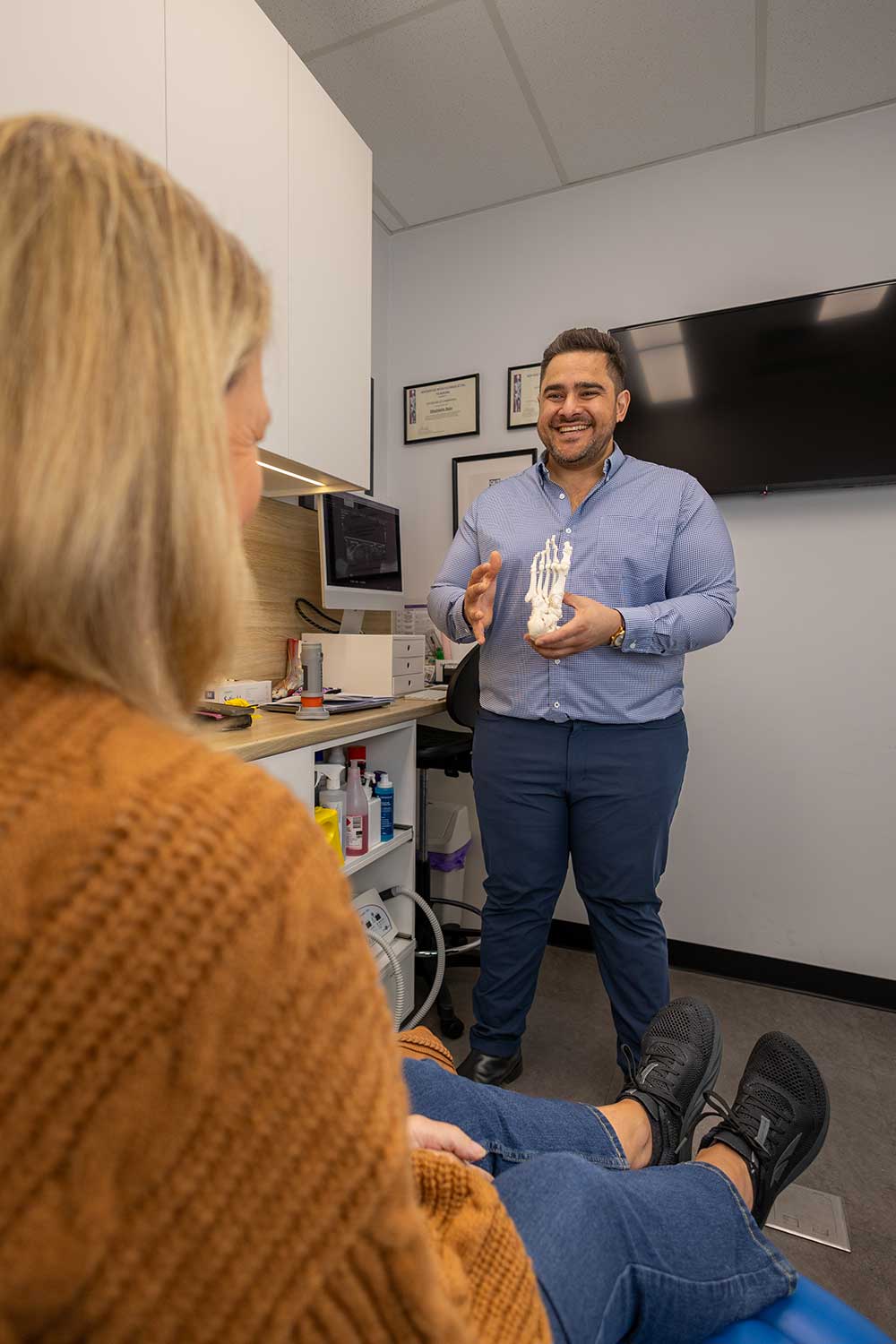
If you’ve started to notice a bunion forming, or your existing bunion is becoming painful, stiff, or limiting your activities, we’re here to help. Our Brisbane podiatrists specialise in bunion assessment and conservative treatment, offering personalised care to support your comfort and mobility at every stage.
Book an appointment today and take the first step towards easing discomfort and protecting your long-term foot health.
FAQs
Can bunions be treated without surgery?
Yes, many bunions can be managed effectively without surgery. Conservative treatment focuses on reducing pain, improving toe alignment, supporting healthy foot mechanics, and slowing progression. Options include orthotics, footwear changes, padding, targeted exercises, and hands-on therapy. Surgery is usually only considered when pain is severe, function is limited, or conservative treatment hasn’t provided enough relief. Even then, there are minimally invasive bunion surgery options available.
What is the best treatment for bunions?
The best treatment depends on the cause and severity of your bunion. For many people, a combination of supportive footwear, custom orthotics, and strengthening exercises provides excellent long-term relief. Padding, strapping, manual therapy, and load management also help reduce symptoms. Severe or advanced bunions may require surgical correction, but most people benefit from non-surgical care first.
Do orthotics help with bunions?
Yes. Orthotics are one of the most effective conservative treatments for bunions. They work by redistributing pressure from the big toe, reducing pronation or excessive rolling in of the foot, and supporting the big toe joint so it experiences less strain. While orthotics won’t “reverse” a bunion, they can significantly reduce discomfort and slow further progression.
Can bunions get worse over time?
Bunions often progress gradually if the contributing factors aren’t addressed. The big toe joint may become more prominent, the big toe may drift further, and pain may increase with certain footwear or activities. Early assessment and treatment help slow this progression and protect the long-term function of the joint.
When should I consider bunion surgery?
Surgery may be considered if conservative treatments no longer provide relief, if your bunion is significantly impacting your mobility, or if pain is present daily and affecting your quality of life. Severe deformities at the big toe, persistent inflammation, or difficulty wearing shoes comfortably are also common reasons patients choose surgical correction. Your podiatrist will guide you on when a surgical opinion may be appropriate and support you before and after the procedure. There are some people who may not be eligible for surgical procedure due to healing limitations when it comes to surgical wounds.
Will my bunion pain ever go away, or can my foot pain reduce?
Yes. Bunion pain can improve significantly with the right treatment. A bunion forms when the metatarsal bone shifts and the joint capsule and surrounding soft tissue become irritated, often creating the bony lump that presses against shoes and pushes the big toe toward the second toe. This irritation can behave a lot like other overloaded foot conditions, such as plantar fasciitis, where reducing pressure and improving foot function leads to noticeable relief. With the right combination of supportive footwear, orthotics, activity changes, and targeted rehabilitation, you can experience less pain and better comfort day-to-day. Managing flare-ups early, especially by elevating the foot to minimize swelling, also helps calm the joint and reduce symptoms. While the bunion itself won’t disappear without surgery, the pain associated with it can often be significantly reduced, allowing you to walk, move, and live far more comfortably.
What does hallux valgus mean?
Hallux valgus is the medical term for a bunion - a condition where the big toe shifts toward the second toe, causing a bony lump to form at the side of the foot. This happens when the metatarsal bone moves out of alignment and the surrounding soft tissue is gradually stretched or overloaded. Mild cases may cause occasional irritation, while more severe bunions can lead to significant pain, difficulty fitting shoes, or changes in the way you walk. Most people don’t need surgery, but in more advanced cases an orthopaedic surgeon may be involved to correct the deformity and restore joint alignment.
What can I do to have a faster recovery if I have bunion surgery - like akin osteotomy or chevron osteotomy?
After you’ve had your appropriate surgical procedure (based on your consultation with your orthopaedic surgeon), the most important thing you can do for a faster, smoother recovery is to follow a structured post operative care plan. Your surgeon may use local anaesthesia or general anaesthesia during the procedure, and depending on the technique used, the operation may involve a bone saw, cut bone, adjustment to the joint capsule, or dissolvable sutures. Once you're home, we’ll help you manage your surgical wounds, as these procedures involve surgical cutting, and proper care significantly reduces the risk of infection and speeds healing. One of the biggest mistakes patients make is underusing pain relief - don’t forget to take your pain medication during your recovery to help you experience less pain and minimise swelling as you recover. Elevating your foot, avoiding unnecessary walking in the early stages, and wearing your post-surgery boot as directed also make a big difference. Certain medications, gentle mobility exercises (when approved), and gradual return to weight-bearing all help the bone heal properly. In rare cases, complications can occur, which is why close follow-up with both your orthopaedic surgeon and your podiatry team ensures you recover safely, comfortably, and as quickly as possible.