
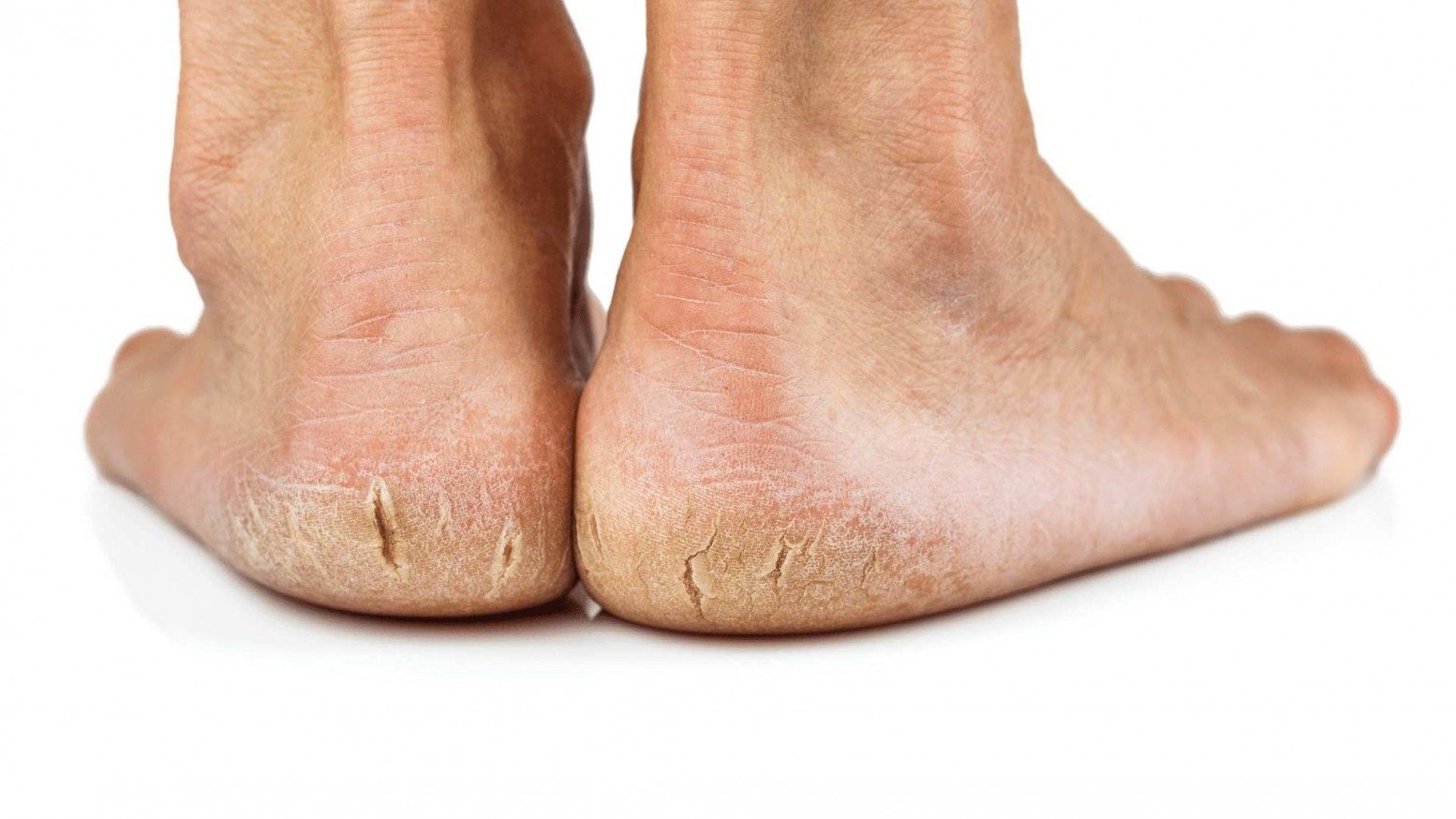
Cracked heels are a frustrating and common foot problem that can range from being minor and uncomfortable, to causing significant pain and complications. The first sign of cracked heels is dry, hard skin on the bottom of your heels. These are called calluses. Without treatment, calluses can continue to grow thicker and dry out, until they get so bad that they crack and split - hence the term "cracked heels".
Common Causes of Cracked Heels
Cracked heels are caused by a combination of dryness and increased pressure on the heel (and the fat pad under the heel). Other factors, such as the environment and underlying health issues, can also play a role. Our podiatrists often see cracked heels in those with the following risk factors:
Dry skin
Dry skin, as it lacks moisture and elasticity, meaning it becomes stiff and brittle, and is more likely to split under pressure.
Standing for long periods
Standing for long periods, which increases pressure on the heels, making them more likely to develop calluses and be more prone to cracking.
Poorly fitting or open-back footwear,
Poorly fitting or open-back footwear, as shoes that don't support your heels or expose them can encourage dryness.
Excess body weight
Excess body weight, which puts additional pressure on the heels and makes the thick skin on the heels more likely to crack.
Foot deformities
Foot deformities (flat feet, high arches), which can alter your weight distribution on your feet and place more pressure on the heels.
Skin conditions
Skin conditions such as eczema or psoriasis, which can cause dryness and inflammation, making the skin more susceptible to cracking.
Underlying medical conditions
Underlying medical conditions, such as diabetes or poor circulation, which reduce skin hydration, sensation, and healing capacity, making a person more prone to a buildup of dry, thickened skin around the heels.
Brisbane Clinic Locations & Opening Hours
We have management options for cracked heels at both of our convenient Brisbane locations — in the CBD and Newmarket. Find clinic details and opening hours below:
Brisbane CBD clinic information
-
Mobile: 0483932145
Phone: (07) 3356 3579
Fax: (07) 3220 3851
Address: Ground Floor/344 Queen Street, Brisbane QLD 4000 -
Operating Hours:
Monday: 7:40am – 6:30pm
Tuesday: 7:40am – 6:00pm
Wednesday: 7:40am – 6:30pm
Thursday: 7:40am – 6:00pm
Friday: Temp Closed
Saturday: Closed
Sunday: Closed
Newmarket clinic information
-
Mobile: 0483932146
Phone: (07) 3356 3579
Fax: (07) 3220 3851
Address: Shop 114, Newmarket Village, 400 Newmarket Road, Newmarket QLD 4051 -
Operating Hours:
Monday: 7:40am – 6:00pm Tuesday: 7:40am – 6:00pm Wednesday: 7:40am – 6:00pm Thursday: 7:40am – 6:30pm Friday: 7:40am – 5:00pm Saturday: 7:40am – 4:30pm Sunday: Closed
How We Diagnose, Assess and Treat Cracked Heels
Cracked heels have a distinct appearance and feel, making them simple to diagnose. Your podiatrist will examine your heels to assess the cracks and the callus, including any signs of bleeding or infection. While the hard, dry calloused skin has no feeling (aside from the discomfort of walking on a hard mass), if the cracks deepen, you risk damaging the healthy skin beneath. Your management focuses on both relieving your symptoms and addressing the underlying cause.
Treatment Options for Cracked Heels
While podiatric care for cracked skin is fairly straightforward, some groups of people must take extra care, including those with diabetes, circulation issues, and other conditions that impair their ability to heal.
For mild cases with painless, small cracks, we may debride the outer layer of callus and then recommend targeted heel balms to deeply hydrate the skin and improve its flexibility. Wearing more supportive, cushioned footwear and avoiding prolonged barefoot walking can also make a significant difference.
For severe cases of painful, persistent or deep cracked heels, we'll carefully (and usually painlessly) debride the hard callused and cracked areas, greatly reducing pressure on the skin. We may use protective dressings while the cracks heal, and discuss strategies to redistribute pressure through your heels when you're walking. If there is a higher risk of complications, such as if you have diabetes, care is focused on helping reduce pain, preventing infection, promoting safe healing, and providing ongoing skin and pressure management to reduce the risk of the cracks recurring. These are all things your podiatrist will discuss during your appointment.
Why Do We Recommend Early Treatment of Cracked Heels?
We recommend treating cracked heels early because addressing dryness and callus before cracks deepen makes treatment simpler, more comfortable, and far more effective. Early care helps prevent pain, bleeding, and infection, reduces the risk of complications (especially if you have conditions like diabetes), and allows us to restore your skin health while minimising the chance of the cracks returning.
Complications of Untreated Cracked Heels
Cracked heels that are left untreated can lead to more than just discomfort. Large cracks in the heels can become entry points for bacteria, increasing the risk of infection and conditions like cellulitis, which can spread and become serious if not managed. For individuals with diabetes, the stakes are even higher: cracked heels can lead to diabetic foot ulcers, which are difficult to heal and may result in complications. Persistent pain, bleeding, and swelling are signs that the cracks may be worsening or infected. If you notice these symptoms, it’s important to seek treatment from your podiatrist, who can provide expert care to prevent further damage and reduce your risk of severe complications.
Self-Care for Dry Skin
Caring for dry skin starts with keeping your skin hydrated: apply a rich moisturiser or heel balm, especially those containing urea or salicylic acid, to help soften thickened skin and lock in moisture. If you don't have risk factors like diabetes, you can exfoliate with a pumice stone or foot file to gently remove dead skin, allowing your moisturiser to work more effectively. Wearing cotton socks after moisturising can help, while choosing well-fitting shoes can reduce pressure on your heels and help prevent new cracks from forming. By making these simple self-care steps part of your daily routine, you can keep your skin healthy and reduce the risk of painful heel fissures.
Lifestyle Changes to Prevent Cracked Heels
Choose shoes that fit well and provide support, avoiding open-heeled shoes that expose your heels to more pressure and dryness. Stay hydrated by drinking plenty of water and eating a balanced diet that supports skin health, helping to keep your skin supple and less prone to cracking. Try to limit standing or walking for long periods, especially on hard surfaces. If you have underlying conditions like diabetes, managing them carefully can help prevent complications from cracked heels. By following these tips and maintaining regular foot care, you can keep your skin hydrated, reduce your risk of developing cracks, and enjoy healthier, pain-free feet.
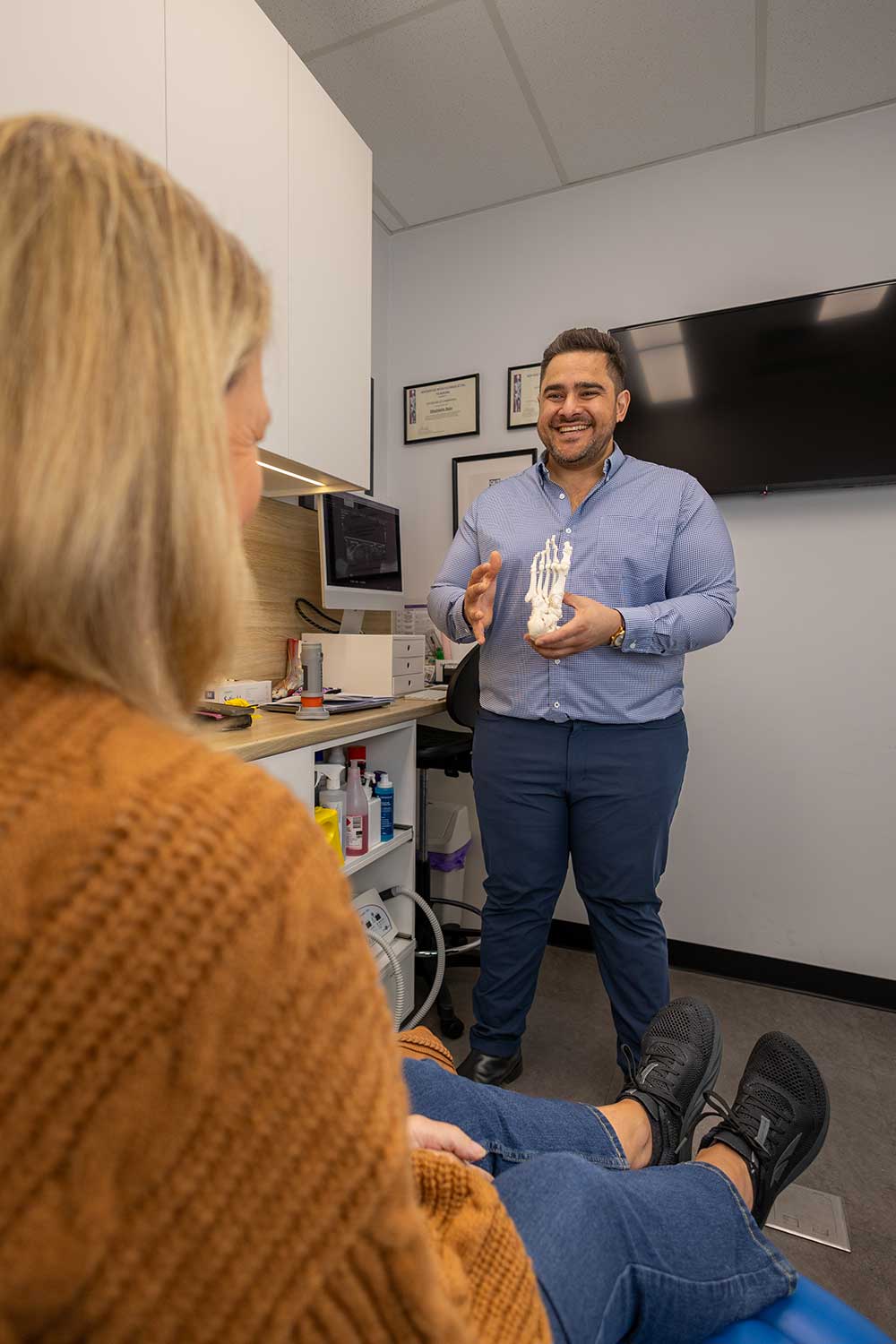
Book an appointment to get your cracked heels treated in Brisbane
If you've got cracked heels or thick calluses on your feet, our podiatry team is here to help. Book your appointment online here or call us on (07) 3356 3579
FAQs
What is the best treatment option for cracked heels?
In our expert opinion, the best thing you can do is have your callus and cracks professionally reduced by your podiatrist, then follow their advice for any balms and other therapies to help support your heel health and prevent the cracks from coming back.
Can podiatrists remove cracked heels?
Yes, most cases of cracked heels can be safely and effectively treated by a podiatrist. We are trained to treat deep cracks by carefully removing hard, thickened skin, reducing pressure on the heel, and supporting the skin to heal properly.
Are cracked heels a sign of a medical condition?
Cracked heels are often caused by dry skin and pressure, but they can sometimes be a sign of an underlying medical condition such as diabetes, circulation issues, or certain skin conditions.
How do I stop my heels from cracking again?
To prevent cracked heels from returning, keep your skin well-hydrated, manage hard skin build-up, and reduce excess pressure through supportive footwear. Inspecting your feet on a regular basis can help catch the first signs of cracking early. We also recommend using a targeted heel cream consistently and following any footwear or care advice from your podiatrist. In severe cases, a podiatrist may recommend custom orthotics to redistribute pressure and prevent recurrence of cracked heels.
Is treating cracked heels painful?
No, treating cracked heels is generally not painful. When cracks are deep or tender, we work gently and carefully to minimise discomfort while supporting safe healing.
Are there any home remedies that work for painful cracks?
If you have hard, thick calluses, a lot of dead skin, or want to treat deep cracks, it is unlikely you'll be able to get back to soft, smooth skin without podiatric care. Once you have your session with your podiatrist, however, you can use various home remedies to prevent the cracks from returning, such as the following treatments: using cream on your feet daily, soaking your feet (specifically, soaking feet in lukewarm water for 10–20 minutes can soften hardened skin - don't forget to pat dry afterwards), using a pumice stone, and wearing socks overnight after moisturising.