
Heel pain affects people of all ages and activity levels. It is one of the most common problems our podiatrists see and treat in our clinic. As painful heels have many causes, such as plantar fasciitis, you want to take extra care to ensure that you have the right diagnosis - without it, your treatment may be suboptimal, and your healing process may be delayed or prolonged.
What is heel pain?
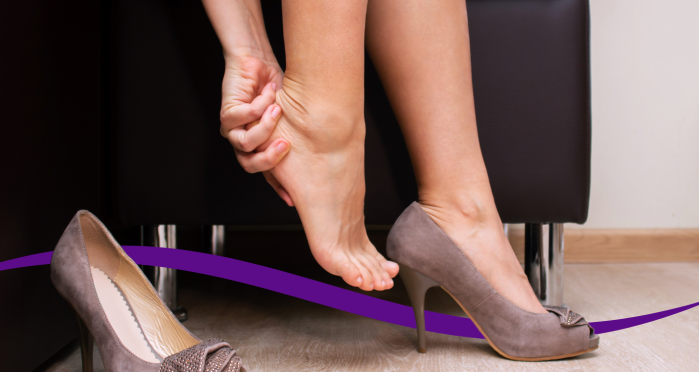
Heel pain is felt as discomfort or pain in the area around the heel bone (calcaneus), which is the largest bone in the foot. Swelling, tenderness, and difficulty walking are also common. The heel supports much of the body’s weight, making it especially vulnerable to excessive strain (pressure) and repetitive stress.
Risk factors for developing heel pain include abnormal walking patterns, flat feet, wearing ill-fitting or unsupportive shoes, and engaging in activities that place repetitive stress on the heel, such as running or prolonged standing (standing for long periods) on hard surfaces. Over time, these factors can lead to inflammation, tiny cracks in the bone (stress fractures), or irritation of the muscles and connective tissues in the foot. While we're talking about several causes of painful heels here, it should be noted that many resources mean plantar fasciitis when they mention painful heels.
Heel pain conditions we commonly treat
We treat a wide range of common causes of heel pain, including:
Plantar fasciitis
Plantar fasciitis is the inflammation of the plantar fascia, the thick band of connective tissue that runs along the bottom of your foot, connecting the heel to the toes. The plantar fascia provides support to the arch of the foot, acting as a shock absorber. When this plantar fascia becomes irritated or develops small tears, it can cause stabbing pain, especially with the first steps in the morning or after prolonged standing.
Symptoms of plantar fasciitis include stabbing pain on the bottom of the heel, especially upon waking in the morning or after periods of rest. Symptoms worsen with prolonged periods of standing (or exercise) and ease with rest, and can vary in severity, impacting a person's ability to perform even simple daily activities around the home.
Heel spurs
Heel spurs are bony growths that can develop on the underside of the heel bone. Many people with spurs have no symptoms, but when they do cause problems, they are commonly associated with painful heels, particularly during the first steps in the morning or after periods of rest. Heel spurs are often mistaken for plantar fasciitis, making a formal diagnosis very important.
Achilles tendonitis (tendinopathy)
Achilles tendonitis is a condition involving the inflammation, irritation or degeneration of the Achilles tendon, which connects the calf muscles to the heel bone. It causes pain, stiffness, or tenderness along the back of the heel or lower calf, often worse in the morning or during activity.
Other common causes of pain in or around the heel area include:
- Stress fractures
- Sever’s disease (growing pains in kids)
- Bursitis (a fluid filled sac behind or around the heel)
- Fat pad irritation or atrophy
- Nerve irritation or impingement
- Cracked heels (heel fissures)
- Plantar warts
- Corns & calluses
Brisbane clinic locations & opening hours
We treat painful heels at both of our convenient Brisbane locations — in the CBD and Newmarket. Find clinic details and opening hours below:
Brisbane CBD clinic information
-
Mobile: 0483932145
Phone: (07) 3356 3579
Fax: (07) 3220 3851
Address: Ground Floor/344 Queen Street, Brisbane QLD 4000 -
Operating Hours:
Monday: 7:40am – 6:30pm
Tuesday: 7:40am – 6:00pm
Wednesday: 7:40am – 6:30pm
Thursday: 7:40am – 6:00pm
Friday: Temp Closed
Saturday: Closed
Sunday: Closed
Newmarket clinic information
-
Mobile: 0483932146
Phone: (07) 3356 3579
Fax: (07) 3220 3851
Address: Shop 114, Newmarket Village, 400 Newmarket Road, Newmarket QLD 4051 -
Operating Hours:
Monday: 7:40am – 6:00pm Tuesday: 7:40am – 6:00pm Wednesday: 7:40am – 6:00pm Thursday: 7:40am – 6:30pm Friday: 7:40am – 5:00pm Saturday: 7:40am – 4:30pm Sunday: Closed
How we diagnose, assess and treat Plantar Fasciitis
Diagnosing plantar fasciitis starts with a thorough evaluation of your symptoms of plantar fasciitis, including when the pain began, what activities worsen it, and whether your first steps in the morning feel like sharp pain. We then examine the heel bone, the thick band of the fascia itself, surrounding muscle tissue, and nearby structures like the Achilles tendon to rule out conditions such as a stress fracture, bony spurs, or nerve involvement.
A podiatrist will assess your foot structure, gait, abnormal walking patterns, lower leg mobility, and footwear. This helps identify other risk factors, such as inadequate arch support, muscle tightness, or biomechanical issues contributing to the condition.
Imaging may be recommended in severe cases or when symptoms don’t follow the typical plantar fasciitis presentation. Once we understand the underlying cause of your problem, we create a personalised management plan designed to reduce pain, improve mobility, and support your long-term health and mobility.
Treatment options for painful heels
For over 90% of the cases of pain in the heels we see, we are able to treat these successfully using "conservative" treatment options, which simply means without using invasive procedures like injections or surgery. The goal is to first reduce your pain and swelling, then allow the damaged structure to heal, and then help prevent the problem from returning. Your podiatrist will discuss the best treatment options with you after your assessment, which may include:
Surgical intervention for pain at the heels is a rare option and considered for chronic, severe cases that have not responded to non-surgical treatments for 6-12 months.
Why do we recommend early treatment of heel pain?
If you’re experiencing heel pain, early treatment gives us the best chance to settle symptoms before they worsen or become harder to manage. Many cases start with irritation of the plantar fascia, often due to overload, pressure, or repeated stress over long periods, and addressing this early helps reduce strain on the tissues before damage builds up.
When painful heels are left to linger, the body can compensate in unhelpful ways, increasing the risk of altered movement patterns and ongoing discomfort. Early care helps prevent symptoms from progressing into chronic pain in many cases. Additionally, in the case of plantar fasciitis, an irritated plantar fascia may progress to develop a tear if left untreated.
Book an appointment to get heel pain treatment - Brisbane
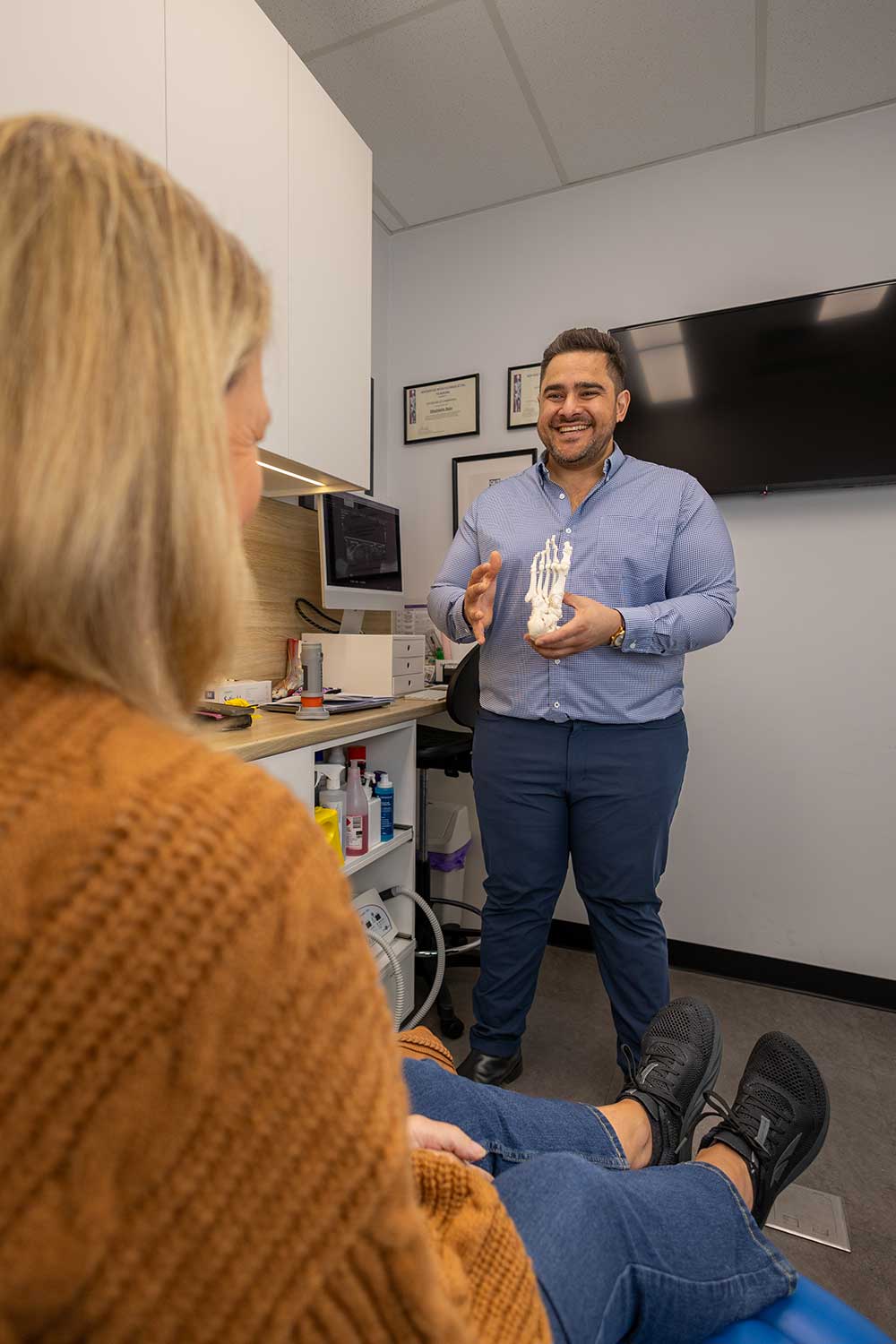
If painful heels are affecting your daily comfort or activity, our Brisbane podiatrists can help identify the cause and create a personalised treatment plan. Depending on your needs, this may include physical therapy, footwear advice, dry needling, or the use of night splints and supportive shoes to promote healing.
FAQs
What is the most common cause of pain in the heels?
The most common cause of heel pain is plantar fasciitis, which involves irritation of the plantar fascia, the thick band of tissue supporting the arch of the foot. Typical symptoms of plantar fasciitis include sharp or aching pain under the heel, especially first thing in the morning, and it is one of the primary causes we see in clinic.
How long does heel and foot pain take to heal?
Healing time depends on the cause and the timing of treatment. In mild cases, symptoms may improve within weeks, especially with activity modification, strengthening exercises, and tools such as night splints. More persistent cases, particularly those linked to overload over long periods, or cases where there is a tear in the plantar fascia, may take several months to fully settle.
Do I need custom orthotics for pain in my heels?
Not everyone with painful heels or feet needs orthotics, but in some cases custom orthotics can be very helpful. They work by improving arch support and addressing individual foot structure, which can reduce stress on painful tissues and support long-term recovery.
Why do I have pain in only one foot?
Heel pain in one foot is often linked to uneven loading, differences in movement, or issues such as ill-fitting shoes, improper footwear, reduced arch support, or tight muscles on one side. These factors can place extra stress on a single heel, leading to symptoms in just one foot.
What happens if heel pain is left untreated?
If painful heels are left untreated, symptoms may worsen, spread, or start affecting nearby structures such as the Achilles tendon. Ongoing pain can interfere with walking, work, and exercise, making recovery more difficult and prolonging discomfort.