
Osteoarthritis (OA) is a degenerative joint disease that affects millions of people worldwide, most often older adults. As the damage to the bones and joints is typically irreversible, it's important to promptly see a a health professional or specialist if you're experiencing joint pain, stiffness, discomfort or are worried about developing osteoarthritis
Introduction to Osteoarthritis
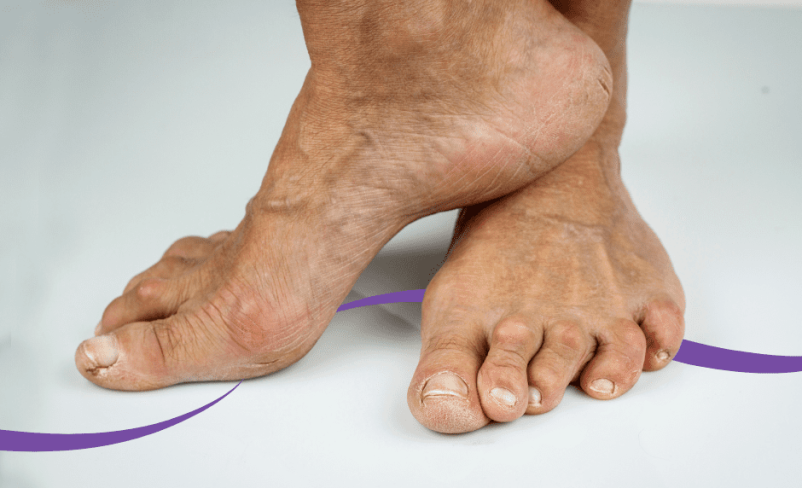
Osteoarthritis is the most common form of arthritis (more so than rheumatoid arthritis) and is a leading cause of joint pain and disability worldwide. This condition develops when the cartilage - the tissue covering and cushioning the ends of bones in a joint - gradually wears away. As the cartilage wears away, bones can rub against each other, causing pain, swelling, and reduced motion in the joint. Bony spurs (abnormal bone growths) can also develop at the edges of affected joints, contributing to pain and stiffness.
Osteoarthritis can affect any joint, but it most commonly impacts the knees, hips, ankles spine, and finger (hand) joints. Symptoms include joint pain, stiffness, and swelling, and are usually worst with activity. If you are experiencing these symptoms, consulting osteoarthritis specialists can help you manage the condition effectively.
Common causes of Osteoarthritis
Osteoarthritis occurs through the wearing out of the cartilage covering the bone ends in a joint. Specialists emphasise that developing OA is influenced by several risk factors, including joint diseases, previous joint injuries, and prolonged periods of joint strain. Understanding these factors can help in early identification and management of osteoarthritis. Here are some common causes, according to research:
- Age-related joint changes: as we age, the risk of developing OA increases due to natural wear and tear on the joints.
-
Previous injury or trauma: joint injuries, such as fractures or ligament tears, can lead to developing OA over time as they may cause
long-term joint deterioration.
- Family history: a family history of osteoarthritis or other joint diseases can increase your risk of developing OA.
-
Repetitive stress from work or sport: prolonged periods of excessive physical stress from repetitive movements can contribute to cartilage
wear and increase the risk of osteoarthritis.
-
Poor biomechanics and joint alignment: abnormal joint alignment or movement patterns can place extra stress on joints, leading to
degeneration.
-
Excess body weight adding joint strain: carrying extra weight puts additional strain on weight-bearing joints, increasing the likelihood of
developing OA.
Brisbane clinic locations & opening hours
We provide Osteoarthritis treatment at both of our convenient Brisbane locations - in the CBD and Newmarket. Find clinic details and opening hours below:
Brisbane CBD clinic information
-
Mobile: 0483932145
Phone: (07) 3356 3579
Fax: (07) 3220 3851
Address: Ground Floor/344 Queen Street, Brisbane QLD 4000 -
Operating Hours:
Monday: 7:40am – 6:30pm
Tuesday: 7:40am – 6:00pm
Wednesday: 7:40am – 6:30pm
Thursday: 7:40am – 6:00pm
Friday: Temp Closed
Saturday: Closed
Sunday: Closed
Newmarket clinic information
-
Mobile: 0483932146
Phone: (07) 3356 3579
Fax: (07) 3220 3851
Address: Shop 114, Newmarket Village, 400 Newmarket Road, Newmarket QLD 4051 -
Operating Hours:
Monday: 7:40am – 6:00pm Tuesday: 7:40am – 6:00pm Wednesday: 7:40am – 6:00pm Thursday: 7:40am – 6:30pm Friday: 7:40am – 5:00pm Saturday: 7:40am – 4:30pm Sunday: Closed
How we diagnose, assess and treat Osteoarthritis
Here at The Feet People, our podiatrits start with a detailed discussion of your medical history, including previous knee injuries, daily
activities, and any risk factors that may contribute to joint changes. We then perform a thorough physical examination, assessing alignment,
joint loading, strength, and movement patterns. A focused physical exam helps us identify signs such as swelling, tenderness, restricted
movement, or altered walking mechanics.
In some cases, medical imaging (x-ray, CT or MRI) or referral for blood tests may be recommended to rule out other conditions such as
rheumatoid arthritis, particularly if there are unusual patterns or other symptoms present. An early diagnosis allows us to intervene sooner
and slow progression before long-term damage develops. Based on your assessment findings, we will create a personalised treatment plan. This
plan may include lifestyle modifications, physical therapy to strengthen muscles and improve joint mobility, medications to reduce pain and
inflammation, or, in some cases, surgical options. We often collaborate with other healthcare professionals, such as orthopaedic surgeons
and occupational therapists, to ensure comprehensive care and the best possible outcomes for each patient.
Role of an Osteoarthritis Specialist
Being an osteoarthritis specialist means focusing on identifying exactly how the changes to the affected joints are impacting your movement
and function, not just where the pain is felt. We assess how forces travel through the body, particularly through the knee joint, feet, and
lower limbs, and how movement patterns may be contributing to pain.
Our role is to guide you with evidence-based care, education, and long-term strategies that reduce flare-ups and help you stay active
safely.
Osteoarthritis treatment options we provide
Your care plan is always individualised because your treatment depends entirely on which affected joint is involved, your lifestyle, medical
history, and the severity of your symptoms. Here at The Feet People, we focus on conservative, evidence-based care aimed at long-term
function and comfort.
Treatment options we may recommend include:
These therapies can be helpful for any joints in the lower limbs. We work with a lot of people experiencing both advanced knee arthritis and early knee osteoarthritis, where these approaches can significantly minimise pain and improve confidence with movement.
Surgical Treatment for Osteoarthritis
Surgery is generally considered only after conservative (non-invasive) care has been fully explored. In severe cases, options may include
corticosteroid injections, steroid injections, or joint replacement surgery.
When severe pain and functional limitation persist despite treatment, surgery performed under specialist care may be recommended. We can
help guide referrals and support you before and after surgical decisions if needed.
Surgical options are tailored to the location and severity of the affected joint. Arthroscopic surgery is a minimally invasive procedure that allows the surgeon to remove loose fragments of cartilage or bone spurs, helping to alleviate pain and improve joint function. In cases of advanced joint damage, joint replacement surgery may be performed, where the damaged joint is replaced with an artificial implant to restore movement and relieve pain. Another option, osteotomy, involves realigning the bones to shift weight away from the damaged area of the joint. The choice of surgery depends on factors such as the specific joint involved, the degree of cartilage loss, and your overall health.
Benefits of Treatment
With the right management approach, many people experience:
- Reduced pain and stiffness
- Improved movement and confidence
- Better tolerance for daily activities
- Slower disease progression
- Improved quality of life and independence
Early and effective management also helps prevent further joint damage and lowers the risk of complications such as joint deformity or loss of function. By improving your ability to move and participate in daily activities, treatment can greatly enhance your overall quality of life.
Why do we recommend early treatment of Osteoarthritis?
Osteoarthritis is a progressive condition, meaning symptoms can worsen over time if left unmanaged. Without a physical examination and
intervention, cartilage thinning can reduce the joint space, increase joint inflammation, and lead to persistent chronic pain.
Early treatment helps protect remaining cartilage, reduce stress on vulnerable joints, and maintain mobility. Acting early may prevent
progression to severe osteoarthritis, where daily tasks become difficult and pain becomes more persistent.
What to Expect During Your Osteoarthritis Treatment Journey
Your journey begins with a detailed assessment and a clear explanation of what’s happening in your joint. We work with you to create realistic goals, adjust your care as symptoms change, and support you through each stage of treatment. As your symptoms improve, we focus on maintaining joint health, protecting mobility, and helping you stay active with confidence and comfort.
You may need to try several treatments to find the best approach for managing your symptoms and improving joint function. Regular follow-up appointments will help monitor your progress and allow your specialist to adjust your treatment plan as needed. Patience and persistence are important, as it can take time to find the most effective combination of therapies. With ongoing support and a commitment to your treatment plan, you can manage osteoarthritis, reduce pain, and enjoy a better quality of life.
Book an appointment to get Osteoarthritis treatment in Brisbane
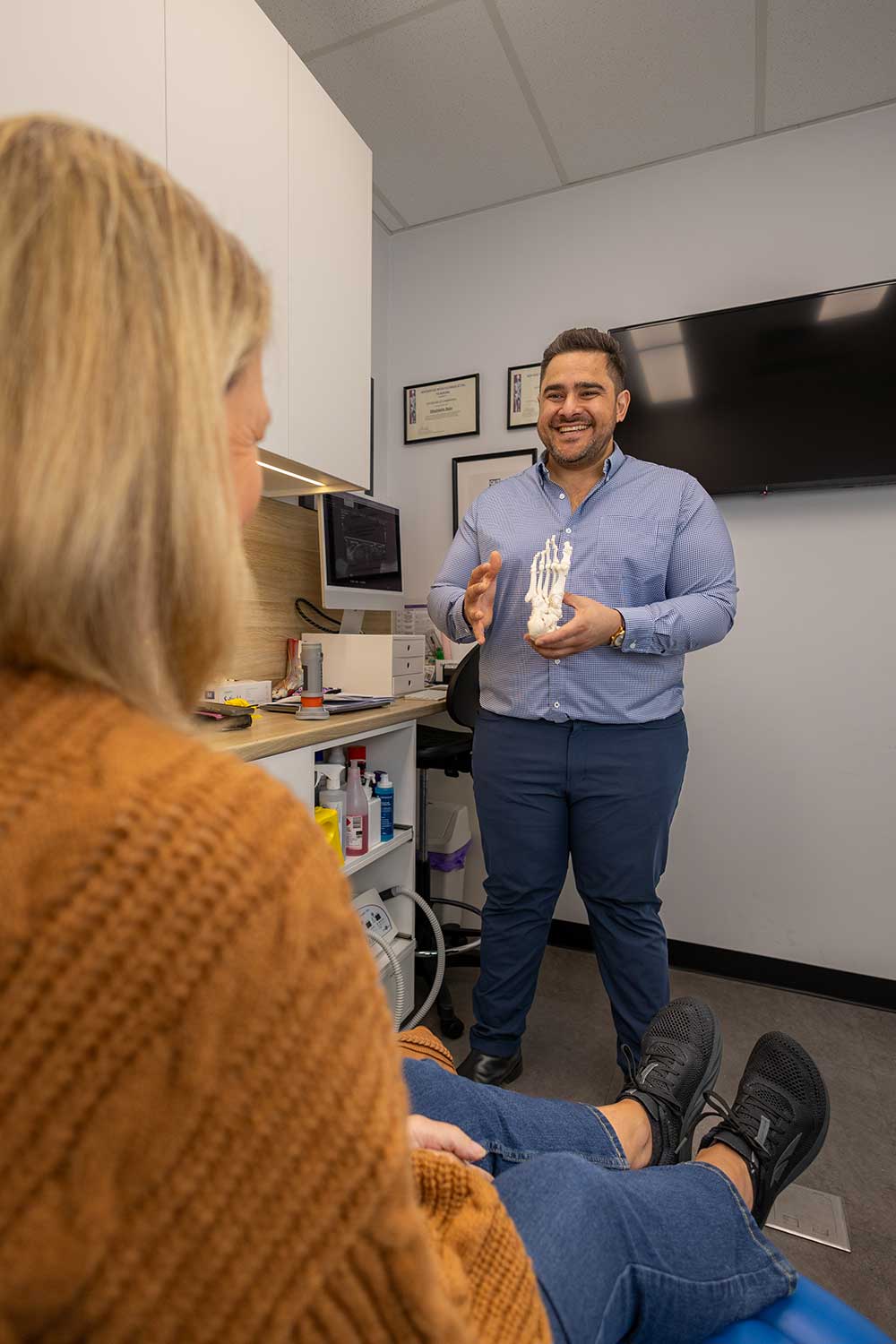
If joint pain, stiffness, or movement limitations are affecting your daily life, early support can make a real difference. Our team at The Feet People offers personalised osteoarthritis care to help you move more comfortably and confidently. Book an appointment today to start your treatment journey.
FAQs
Can podiatrists treat osteoarthritis?
Yes. Podiatrists play an important role in managing osteoarthritis by improving joint alignment, reducing stress on affected joints, and supporting long-term mobility.
What joints are most commonly affected by osteoarthritis?
Osteoarthritis commonly affects weight-bearing joints such as the knees, hips, ankles, the big toe, as well as the finger joints and spine.
Do orthotics help with osteoarthritis pain?
Custom foot orthotics can help by redistributing load, improving alignment, and reducing stress on affected joints, particularly in lower-limb osteoarthritis.
Is osteoarthritis the same as rheumatoid arthritis?
Osteoarthritis is a type of arthritis. Unlike inflammatory forms (which rheumatoid arthritis is), it develops gradually due to wear and tear rather than autoimmune causes.
How can I stop osteoarthritis from getting worse?
Staying active, managing joint load, maintaining strength and mobility, and following a structured treatment plan can help slow progression and help manage symptoms effectively.