
Rheumatoid arthritis (RA) is a chronic autoimmune disease in which the immune system attacks healthy cells, particularly within the joints. Unlike osteoarthritis, which develops through wear and tear and is considered to be 'degeneraive', RA is a form of inflammatory arthritis that can affect one or more joints and, in some people, spread beyond the joints to involve the lungs, blood vessels, skin, and kidneys.
Rheumatoid arthritis specialists help support people living with this complex and often life-changing condition. Here, our role as podiatrists is to help our patients reduce their pain, manage inflammation, protect their joint health, and support long-term quality of life.
Common causes of Rheumatoid Arthritis
Rheumatoid arthritis is linked to a combination of immune dysfunction, genetics, and environmental triggers. While the exact cause is not fully understood, several key factors are known to contribute:
Autoimmune response
In RA, the immune system attacks joint lining and surrounding tissue. This immune response targets healthy cells, leading to chronic inflammation, joint damage, swelling, stiffness, and ongoing pain. This is why it's called an 'inflammatory' arthritis.
Genetic and hormonal factors
Genetics play a strong role in many rheumatic diseases, including RA. The condition is more common in women and typically develops between the ages of 30 and 60, although it can occur at any age.
Lifestyle and environmental triggers
Smoking and prolonged stress on the body may increase the risk of developing RA or worsen symptoms.
Systemic involvement
RA can affect more than just the joints. In some people, it may involve other organs, including the lungs, blood vessels, skin, and kidneys, contributing to fatigue, fever, and general weakness.
Brisbane clinic locations & opening hours
Our podiatrists have a special interest in Rheumatoid Arthritis management, offering care at both of our convenient Brisbane locations - in the CBD and Newmarket. Find clinic details and opening hours below:
Brisbane CBD clinic information
-
Mobile: 0483932145
Phone: (07) 3356 3579
Fax: (07) 3220 3851
Address: Ground Floor/344 Queen Street, Brisbane QLD 4000 -
Operating Hours:
Monday: 7:40am – 6:30pm
Tuesday: 7:40am – 6:00pm
Wednesday: 7:40am – 6:30pm
Thursday: 7:40am – 6:00pm
Friday: Temp Closed
Saturday: Closed
Sunday: Closed
Newmarket clinic information
-
Mobile: 0483932146
Phone: (07) 3356 3579
Fax: (07) 3220 3851
Address: Shop 114, Newmarket Village, 400 Newmarket Road, Newmarket QLD 4051 -
Operating Hours:
Monday: 7:40am – 6:00pm Tuesday: 7:40am – 6:00pm Wednesday: 7:40am – 6:00pm Thursday: 7:40am – 6:30pm Friday: 7:40am – 5:00pm Saturday: 7:40am – 4:30pm Sunday: Closed
How we diagnose, assess and treat Rheumatoid Arthritis
Having an accurate diagnosis is essential to best treat RA, as it can resemble other diseases such as gout, bursitis, bacterial joint infections, or even early osteoarthritis.
Our podiatrists begin with a comprehensive consultation, followed by a detailed physical examination to assess swelling, warmth, tenderness, stiffness, restricted movement, and muscle involvement. We also look at how the condition affects the whole body, including posture, gait, and movement patterns.
Diagnosing RA often involves collaboration with general practitioners and a specialist physician, typically an experienced rheumatologist. Investigations may include blood tests to assess inflammatory markers and immune activity, alongside imaging such as x rays and MRI to evaluate joint damage, bone health, and any early deformities.
RA management aims to reduce inflammation, control pain, protect bones, and help you maintain function. While there is currently no complete cure for RA, early and consistent treatment allows many patients to respond well and live active, fulfilling lives.
Rheumatoid Arthritis treatment options we provide
At The Feet People, we work closely with rheumatologists, physicians, general practitioners and those in occupational therapy to support lower-limb care as part of your overall management plan.
Our podiatry-based treatment options may include:
Medical treatment, including medications, is overseen by your rheumatologist and may involve disease-modifying drugs to slow disease progression and reduce inflammation.
Benefits of specialised care for Rheumatoid Arthritis
Rheumatoid arthritis is one of many rheumatic diseases, alongside ankylosing spondylitis, lupus, fibromyalgia, giant cell arteritis, and gout. Each rheumatic condition requires specialist-led care.
Specialised care provides:
- Accurate diagnosis and differentiation from other diseases
- Ongoing monitoring of joints, vessels, lungs, skin, and kidneys
- Reduced risk of joint changes, fractures, and long-term disability
- Coordinated care between rheumatologists, podiatrists, and allied health teams
Many rheumatologists are fellows of the Royal Australasian College of Physicians, reflecting advanced training in treating diseases that affect joints and the immune response. We work closely with them to treat RA and improve your day to day comfort and function, regardless of how it is currently affecting your body.
Why do we recommend early treatment of Rheumatoid Arthritis?
Without early care, RA can progress rapidly. Persistent inflammation may damage cartilage and bones, leading to joint changes, reduced mobility, and chronic pain.
We want to treat RA early to help:
- Reduce inflammation and joint pain
- Protect joints and surrounding muscles
- Lower the risk of severe cases requiring surgery
- Improve how the body responds to medications
- Preserve independence and quality of life
Early intervention also reduces the risk of complications affecting the lungs, vessels, neck, shoulders, and hips.
Book an appointment to get Rheumatoid Arthritis treatment in Brisbane
If RA is affecting your feet, walking, or comfort, early podiatry support can provide meaningful relief. Our team works with your medical providers to help manage symptoms and protect your long-term mobility. Book an appointment today to begin personalised RA care in Brisbane.
FAQs
Can podiatrists help manage rheumatoid arthritis?
Yes. Podiatrists play an important role in helping people of all ages manage foot-related symptoms of RA by improving support, reducing joint stress, and managing pain. We work closely with rheumatologists.
How does RA affect the feet?
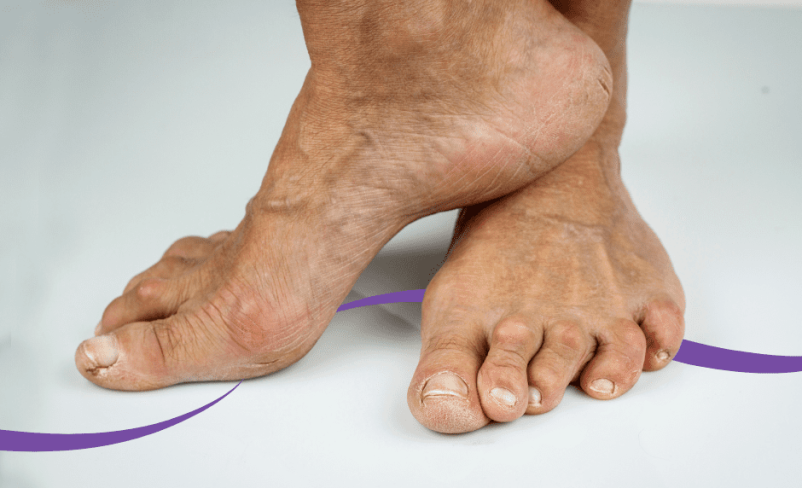
RA commonly affects the small joints of the feet, causing swelling, stiffness, discomfort, joint instability, and changes in foot shape over time.
Do orthotics help people with rheumatoid arthritis?
Custom orthotics can help reduce pressure, improve alignment, and provide relief by supporting inflamed joints and distributing load more evenly. Especially where the foot position or posture is placing extra stress on the joints. Your podiatrist will discuss if orthotics can help you at your appointment.
Is rheumatoid arthritis the same as osteoarthritis?
No. RA is an autoimmune disease, while osteoarthritis is a degenerative joint condition caused by wear and tear.
What can I do to reduce flare-ups in my feet?
Managing flare-ups involves consistent medical care, supportive footwear, orthotics, pacing activity, and addressing inflammation early with your healthcare team.
Is RA considered a rheumatic disease?
Yes. RA is one of many rheumatic diseases - a group of diseases that involve chronic inflammation of the joints, muscles, and connective tissues. These conditions are usually managed by rheumatologists and often require long-term care.
Can rheumatoid arthritis affect more than just my joints?
Yes. While RA mainly affects the joints, it can also affect the lungs, blood vessels, skin, and kidneys in some patients. This is why ongoing monitoring and coordinated care are so important.
Why do rheumatologists order blood tests and X-rays for RA?
Blood tests help assess immune activity and inflammation levels, while X-rays and other imaging allow doctors to monitor joint damage, changes to bones, and early signs of deformity. These tools support accurate diagnosis and guide treatment decisions.
Is there a cure for rheumatoid arthritis?
There is currently no complete cure for RA. However, modern treatment options help many patients manage symptoms effectively, reduce inflammation, and maintain function and quality of life.
How is RA different from gout or bursitis?
RA is an autoimmune inflammatory condition, whereas gout is caused by crystal buildup in joints and bursitis involves inflammation of fluid-filled sacs around joints. Each condition requires a different approach to treat pain and swelling.
Can rheumatoid arthritis cause fatigue and weakness?
Yes. Many people experience fatigue, weakness, and general discomfort due to ongoing inflammation and immune system activity, even when joint pain is relatively controlled.
Why are weight bearing joints important in RA care?
Weight bearing joints such as the feet, ankles, knees, and hips are under constant load. Managing stress through footwear, orthotics, and activity modification helps reduce pain and protect joint health.
Can rheumatoid arthritis affect my neck or shoulders?
Yes. RA can involve the neck and shoulders, leading to stiffness, reduced movement, and pain. These areas are carefully assessed during treatment planning.
Do people with RA ever need surgery?
In some severe cases, surgery may be recommended to address joint damage, instability, or deformity when conservative treatment is no longer effective.
How do podiatrists work in connection with rheumatologists?
We work closely with rheumatologists, physicians, and general practitioners to support foot health as part of a broader care plan. This connection ensures your lower-limb treatment aligns with your overall medical management.
Why is early diagnosis so important?
Early diagnosis allows treatment to begin before irreversible joint damage occurs, improving how patients respond to medications and reducing the risk of long-term complications such as fractures or deformity.